
Cén chaoi a mbaineann an trealamh lárnach cataitéir lárnach cuspóirí leighis amach trí shineirgíocht na gcomhpháirteanna éagsúla?
Anailís ar chroí -chomhpháirteanna an trealaimh
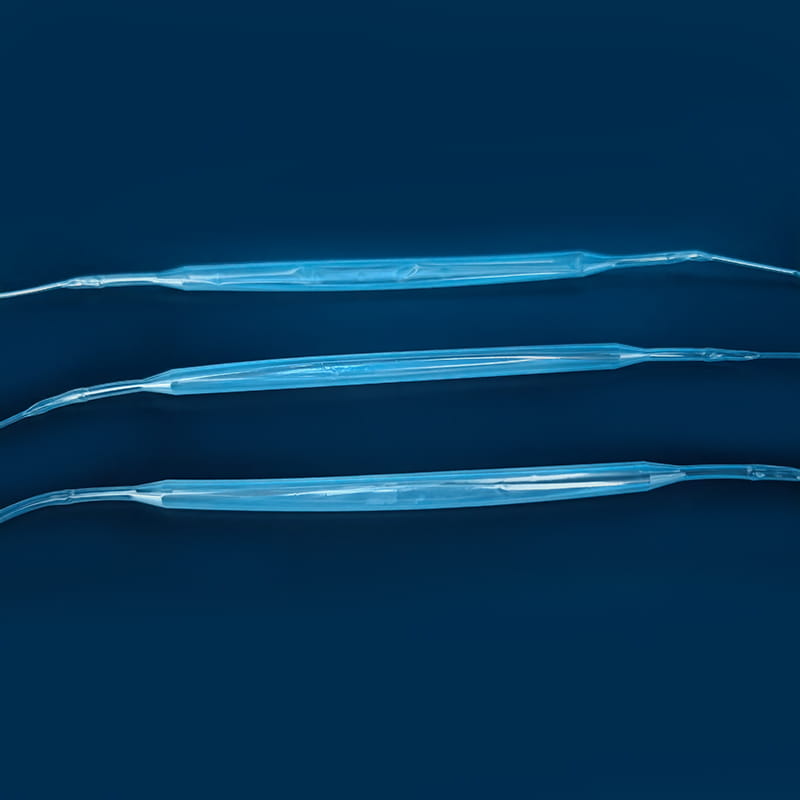
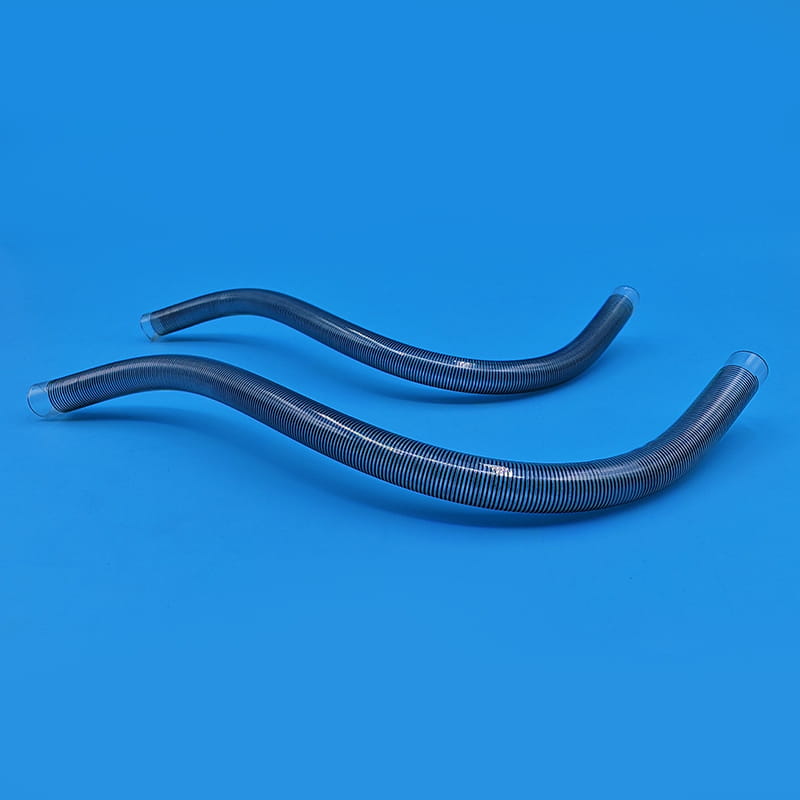
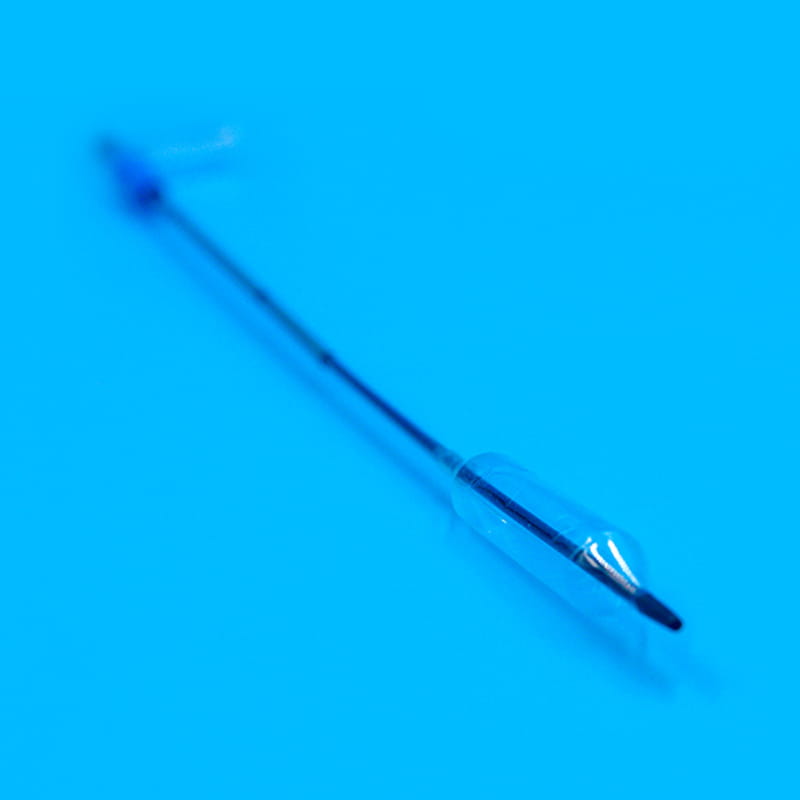
An Kit Catheter Venous lárnach Tá éagsúlacht de phríomh -chomhpháirteanna ann, a bhfuil ról uathúil agus neamh -inathraithe ag gach ceann acu sa phróiseas oibríochta leighis ar fad. Is é an chéad cheann an cataitéar lárnach lárnach, arb é croí -chomhpháirt an trealaimh é agus is é an cainéal a nascann an fhéith lárnach taobh amuigh den chorp agus taobh istigh den chorp. Is iondúil go ndéantar a ábhar as polúireatán nó silicone de ghrád leighis. Tá bith -chomhoiriúnacht mhaith ag na hábhair sin agus is féidir leo diúltú an chomhlachta do chomhlachtaí eachtracha a laghdú go héifeachtach agus an baol go dtarlódh deacrachtaí mar ionfhabhtú a laghdú. Tá a saintréithe féin i struchtúr agus i bhfeidhm ag cineálacha éagsúla cataitéir fhéitheacha lárnacha. Tá cataitéir aon-lumen oiriúnach do riachtanais chóireála aonair, agus is féidir le cataitéir dhúbailte nó il-lumen oibríochtaí éagsúla leighis éagsúla a dhéanamh ag an am céanna, amhail insileadh, bailiú fola, agus riarachán drugaí, a fheabhsaíonn éifeachtúlacht agus áisiúlacht oibríochtaí leighis go mór. Maidir le dearadh, caitear le roinnt dromchlaí cataitéir le bratuithe speisialta chun airíonna frith-thrombotic a fheabhsú tuilleadh; Tá cuid acu marcáilte freisin le scálaí chun foireann leighis a éascú chun an doimhneacht isteach a thuiscint go cruinn.
An cannula plays a pioneering role in the central venous catheter kit. When performing a central venous catheter insertion operation, the cannula is first used for percutaneous puncture into the vein. Its needle tip adopts a bevel cutting process. This design is sharp and precise, and can quickly and accurately penetrate the skin and vein wall with minimal resistance, opening a channel for the entry of subsequent components. The needle core and outer sleeve of the cannula needle are closely matched. When the cannula needle successfully enters the vein, the inner needle core is removed through a special separation mechanism, and the outer sleeve with a certain hardness and flexibility will remain in the vein as a guide channel for subsequent guide wires and other components to enter. To ensure the accuracy of puncture, some cannula needles are also equipped with ultrasound guidance adapters, which can be used with ultrasound equipment to observe the puncture path and blood vessel status in real time.
An guidewire is a key tool for precise positioning and guidance in the central venous catheter kit. After the cannula needle establishes the initial channel, the guidewire will be sent into the vein through the cannula. The outer layer of the guidewire is usually woven from medical-grade stainless steel wire, and the inner layer is a nickel-titanium alloy core. This structure gives the guidewire good flexibility and maneuverability. Doctors can use the J-shaped or straight head design of the guidewire tip to flexibly turn and guide it in the blood vessel through in vitro operation, and accurately send it to the target position. Some high-end guidewires also have a hydrophilic coating, which becomes lubricated after contact with blood, further reducing friction damage to the inner wall of the blood vessel. The existence of the guidewire makes the insertion path of the central venous catheter clearer and more controllable, laying a solid foundation for the smooth insertion of the subsequent catheter.
An role of the dilator in the central venous catheter kit should not be ignored. Since the diameter of the vein is relatively thin, and the central venous catheter needs to be smoothly inserted, it is necessary to properly dilate the vein. The dilator usually adopts a conical or cylindrical design, and the material is mostly medical-grade polyethylene. It can enter the vein along the guidewire and expand the channel of the venous puncture site by gradually expanding. During the expansion process, the smooth surface treatment and gradual caliber design of the dilator can reduce damage to the venous tissue while ensuring effective expansion. For special patients, such as those with thin blood vessel walls or sclerosis, there are also special controllable dilators available, and doctors can accurately adjust the expansion strength and range according to actual conditions.
An peelable sheath is an important part of the central venous catheter kit to ensure the safe insertion of the catheter. After the dilator completes the dilation of the vein, the peelable sheath will be sent into the vein along the guidewire and dilator. The peelable sheath consists of two symmetrical half sheaths connected by a special locking structure in the middle. When the peelable sheath reaches the appropriate position, the central venous catheter will be inserted into the vein through the sheath. At this time, the medical staff will separate the peelable sheath from the middle lock and remove it from the body through a specific operation technique, while the central venous catheter will be left in the vein. This unique design not only ensures the smooth catheter insertion process, but also avoids unnecessary damage to the vein and catheter. To prevent accidental scratches on the surrounding tissue when the sheath is peeled off, the edge of the sheath is specially rounded and blunted.
An fixing device plays a role in stabilizing and fixing the catheter in the central venous catheter kit. In order to ensure that the central venous catheter can maintain a stable position in the patient's body for a long time without displacement or falling off, fixing devices such as sutures, sterile dressings or special catheter fixers will be used to fix the catheter to the patient's skin. The suture fixation method is suitable for patients with long-term catheterization. The catheter is fixed to the skin tissue through delicate suturing operations; the sterile dressing is breathable, waterproof and antibacterial, and can effectively protect the puncture site; the dedicated catheter fixator is made of medical-grade silicone or polymer materials, and can be personalized according to the patient's skin morphology and catheter model through an adjustable buckle design. Appropriate fixation can not only ensure the normal function of the catheter, but also reduce the discomfort and potential risks caused to the patient by the movement of the catheter.
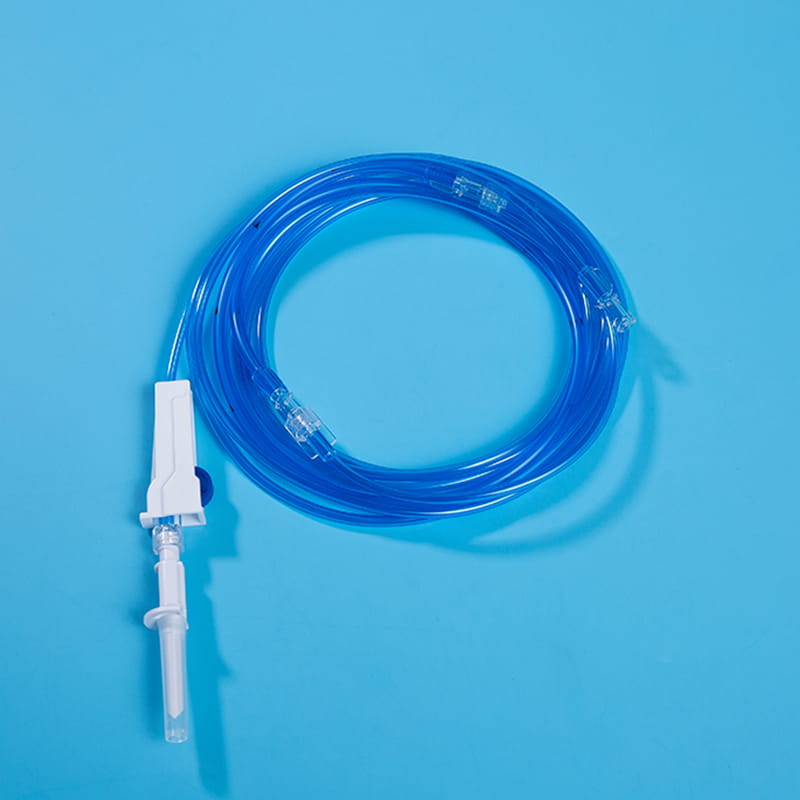
An interface for external connection is the bridge between the central venous catheter and external medical equipment. Through these interfaces, the central venous catheter can be connected to infusion sets, syringes and other equipment to achieve various medical operations such as infusion, drug administration, and blood collection. The design of these interfaces has good sealing and compatibility, and common ones include Luer connectors and needleless infusion connectors. The Luer connector is connected by threads to ensure a tight connection without leakage; the needleless infusion connector adopts a diaphragm design, which can complete the infusion operation without acupuncture, reducing the risk of infection. At the same time, some interfaces also have anti-backflow function to prevent blood from reflux and blocking the catheter, and support multiple devices to be connected at the same time to meet complex clinical needs.
Raon leathan cásanna iarratais chliniciúla
I bhfeidhmchláir leighis iarbhír, tá na cásanna úsáide a bhaineann le feisteáin chaitidéara lárnacha an -leathan. I réimse an chúraim dhian, d'othair a bhfuil dálaí criticiúla acu a dteastaíonn cuid mhór insilte agus cógais minic uathu, is féidir le cataitéir fhéitheacha lárnacha cainéal insilte tapa agus cobhsaí a sholáthar chun freastal ar riachtanais na n -othar le haghaidh sreabhán agus drugaí. Ag tabhairt othair le turraing mhúnlaigh mar shampla, le linn an phróisis tarrthála, caithfear cuid mhór sreabhach crystalloid, sreabhach collóideach agus drugaí vasoactive a fhorlíonadh i dtréimhse ghearr ama. Is féidir leis an gcataitéar lárnach venous a chinntiú go dtéann na sreabháin agus na drugaí seo isteach go tapa an scaipeadh fola agus go gceartaíonn sé an stát turraing go tapa. Ag an am céanna, is féidir monatóireacht hemodynamic a dhéanamh freisin tríd an gcataitéar fiacla lárnach. Nascann an dochtúir an braiteoir brú leis an gcomhéadan cataitéir chun paraiméadair a fháil mar bhrú lárnach fiacla agus brú dinge artaire scamhógach i bhfíor -am, rud a chabhraíonn le dochtúirí tuiscint a fháil ar fheidhm chroí an othair agus ar stádas scaipthe fola i bhfíor -am, agus cuireann sé bonn tábhachtach ar fáil chun pleananna cóireála cruinne a fhoirmiú.
I gcóireáil meall, tá go leor drugaí ceimiteiripe an -ghreannmhar le soithigh fola, agus d'fhéadfadh deacrachtaí a bheith ag baint le riarachán trí fhéitheacha imeallacha mar phlebitis. Is féidir leis an bpacáiste cataitéir lárnach cataitéir cataitéar a chur isteach sa fhéith lárnach, ag ligean do dhrugaí ceimiteiripe dul isteach sna soithigh fola mhóra agus a chaolú go tapa, rud a laghdóidh greannú do na soithigh fola, ag laghdú na dóchúlachta go dtarlódh deacrachtaí, agus ag feabhsú lamháltas cóireála agus comhlíonadh na n -othar. Mar shampla, is féidir le hothair ailse chíche a fhaigheann drugaí ceimiteiripe an -ghreannaithe amhail doxorubicin cataitéir fhéitheacha lárnacha a úsáid chun iarmhairtí tromchúiseacha a sheachaint, mar shampla neacróis craicinn agus othrais fíochán de bharr mí -eiseachadadh drugaí. Ag an am céanna, i gcás othair a dteastaíonn ceimiteiripe fadtéarmach agus iolrach uathu, laghdaíonn cataitéir fhéitheacha lárnacha pian na bpioncóirí arís agus arís eile agus feabhsaíonn siad leanúnachas na cóireála.
Ina theannta sin, i teiripe tacaíochta cothaithe, is féidir cataitéir fhéitheacha lárnacha a úsáid le haghaidh tacaíocht iomlán cothaithe parenteral d'othair nach féidir leo cothú go leor a ghlacadh tríd an gconair gastrointestinal, amhail othair le cóma fadtéarmach agus dónna tromchúiseacha. Is féidir le tuaslagán ard-chalraí cothaitheach a thabhairt tríd an bhféith lárnach freastal ar riachtanais choirp an othair le haghaidh cothaitheach agus aisghabháil an othair a chur chun cinn. Ag tabhairt othair le dónna fairsinge mar shampla, cuirtear a bhfeidhm gastrointestinal faoi chois de bharr tráma, agus ní féidir leo bia a dhíleá agus a ionsú de ghnáth. Ag an am seo, tugtar an tuaslagán cothaitheach uile-i-amháin ina bhfuil aimínaigéid, eibleacht saille, glúcós agus comhábhair eile tríd an gcataitéar fiacla lárnach chun cothromaíocht nítrigine an othair a choinneáil, an fuinneamh a theastaíonn ón gcomhlacht a athlíonadh, agus an leigheas créachta a luathú. Ag an am céanna, is féidir le foireann leighis monatóireacht a dhéanamh ar leictrilítí, siúcra fola agus táscairí eile an othair tríd an gcataitéar lárnach fiacla agus an plean tacaíochta cothaithe a choigeartú in am.
Nósanna imeachta oibriúcháin dochta agus caighdeánaithe
An operating procedures of the central venous catheter kit need to strictly follow the specifications and standards. Before the operation, the doctor needs to conduct a comprehensive assessment of the patient's condition, including the patient's age, weight, underlying diseases, coagulation function, etc., and select the appropriate puncture site and central venous catheter type. Common puncture sites include the internal jugular vein, subclavian vein and femoral vein. Different sites have their own advantages and disadvantages, and they need to be carefully selected according to the specific situation of the patient. At the same time, detailed explanations and communication should be given to the patient, and the patient should be informed of the operation process, possible risks and key points of cooperation to obtain the patient's cooperation. During the operation, the principle of aseptic operation must be strictly followed. The puncture site must be disinfected with iodine more than three times, and the diameter of the disinfection range must not be less than 15 cm. A large sterile sheet must be laid to ensure that the entire operation is carried out in a sterile environment. Then follow the steps of trocar puncture, guide wire insertion, dilation with a dilator, insertion of a removable sheath, insertion of a central venous catheter, fixation of the catheter, and connection of an external interface. Taking internal jugular vein puncture as an example, under ultrasound guidance, after determining the puncture point, the trocar is inserted at an angle of 30-45 degrees. After seeing the blood return, it is confirmed that it is in the vein, and then the subsequent components are inserted according to the process. After the operation is completed, the patient needs to be closely observed and cared for, and the patient must be monitored for complications and treated in a timely manner. This includes observing whether the puncture site is red, swollen, or exuded, and changing the dressing regularly; monitoring the patient's body temperature, blood routine, and other indicators to determine whether an infection has occurred; evaluating the function of the catheter to ensure smooth infusion, blood collection, and other operations.
Dúshláin agus Rioscaí atá roimh ré
Cé go bhfuil ról tábhachtach ag trealamh cataitéir fiacla lárnach i réimse na míochaine, tá roinnt dúshlán agus rioscaí os a gcomhair le linn úsáide. Tá an t -ionfhabhtú ar cheann de na deacrachtaí is coitianta a bhaineann le cataitéir fhéitheacha lárnacha. Ós rud é go bhfágtar an cataitéar sa chorp ar feadh i bhfad, tá sé éasca do bhaictéir agus do mhiocrorgánaigh eile ionsaí a dhéanamh, rud a chruthaíonn ionfhabhtú áitiúil nó ionfhabhtú sistéamach. Téann baictéir go príomha isteach sa chorp trí choilíniú craicinn ag an suíomh puncture, éilliú an chónascaire cataitéir, agus éilliú an chórais insilte. Is fadhb í an thrombóis freisin nach féidir neamhaird a dhéanamh uirthi. Féadfaidh an cataitéar an endothelium soithíoch a spreagadh sa soitheach fola, ag cruthú athruithe i dtéachtadh fola, rud a chruthaíonn thrombus. Nuair a thiteann an thrombus as, d'fhéadfadh sé a bheith ina chúis le deacrachtaí tromchúiseacha amhail heambólacht scamhógach. Ina theannta sin, d'fhéadfadh fadhbanna mar bhac cataitéir agus díláithriú dul i bhfeidhm ar ghnáth -úsáid agus ar chóireáil an chaitidéara lárnaigh. Is féidir go mbeidh baolach cataitéir mar thoradh ar sil -leagan drugaí, téachtadh fola, etc.; Féadfaidh díláithriú cataitéir a bheith bainteach le tosca mar ghníomhaíocht mhíchuí othar agus socrú scaoilte. $
For more information, please call us at +86-18913710126 or email us at .
Tá feadánra polaimíde fíor-riachtanach anois in innealtóireacht feistí leighis nua-aimsear...
Feadánra truaill chosanta FEP Guidewire a thuiscint Tá nósanna imeachta leighis a...
A feadán caidéil peristaltic leighis Is comhpháirt speisialaithe aistrithe sreabhán...
Éabhlóid na Teicneolaíochta Amharcléiriú Catheter Tá nósanna imeachta íos-ionracha tar é...
Tuiscint ar Chaitinitéir Leighis i gCúram Sláinte Nua-Aimseartha Tá cúram othar athraith...
Sroicheann catheter díreach an chuid is mó den aerbhealach, ach is é an ceintiméadar deiridh...